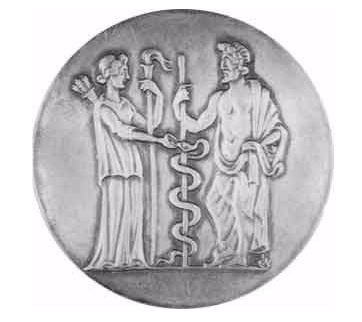
“Let food be thy medicine and medicine be thy food.”
— Hippocrates.
In the early days of ancient Greece, medicine was not yet a definable scientific subject. In these days, anyone could call themselves a practitioner and no qualifications were necessary. It was common practice for practitioners to travel the land seeking patients to heal- for better or worse. Over time, specialists in similar fields began to share knowledge with one another regarding practices in health, and together they established the discipline of medicine.

Ancient records show that the earliest known
Greek Medical school opened in Cnidus in 700 B.C.E.
It was at this site that practitioners and healers
began to regularly observe and treat patients.
Famed Greek Philosophers Aristotle and Socrates
held the belief that the human body had no use
in the afterlife. This thinking led way to the Greek pursuit of knowledge as to the workings inside
the human body. Those pursuing health studied
in a systematic way, meaning they learned by
directly examining the living.
Disease was a very serious problem for the Greeks, as it was for most in ancient and medieval times. Statistically, one out of every three children died before they a year old, and half of all children died before ten. For those fortunate enough to live until adulthood, the ancient Greek man and woman had a general life expectancy ending in their forties or fifties.
Given the popular practice of religion at the time, it was widely accepted by
many that physical ailments might manifest as a result of spiritual turmoil, such as demon possession. Some Greek healers attempted to treat patient according to these superstitions and beliefs, offering sacrifices and prayer. Simultaneously, doctors also incorporated more scientific approaches in their healing. Common treatments involved wine, opium, and henbane (a leaf used for spasms of the digestive tract). Aloe was used for burns, crushed garlic was used to disinfect cuts, and mint tea to help with stomach aches.
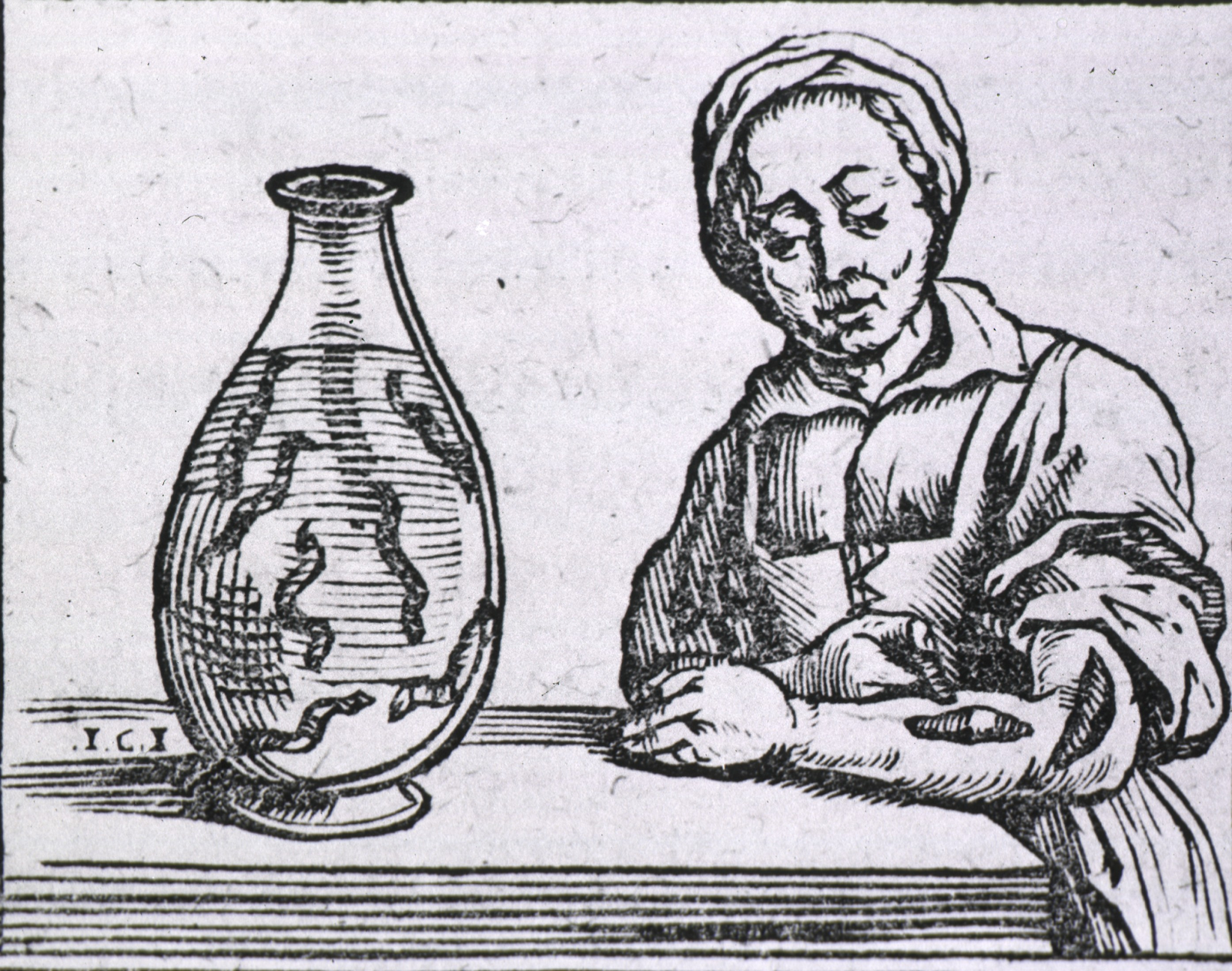
Bleeding patients was also a common treatment; using leeches to remove blood from the body to tame a fever. This treatment was used for years before it was found to make patients worse off than when they started. In some cases, if a patient’s condition did not improve, surgery was used as a last resort.
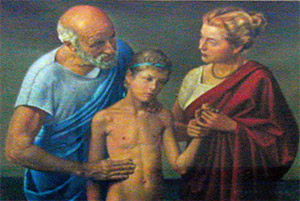
One of the first founders of Greek medical schools was Hippocrates. Hippocrates would pave the way for scientific inclusion in the medical industry, and was undoubtedly one of the most influential men in medicine. His practices and theories separated Greek medicine from superstitions, magic and religion.
Groundbreaking to the field at the time, he introduced “humors” into the medical field. There are four humors consisting of the following: blood, black bile, yellow bile and phlegm (flem). Doctors believed if you were unhealthy and not improving with and diet and exercise, it was because your Humors were out of balance. Below is a table outlining the correlation humors held in relation to common ailments.

Ancient Greek thinking and philosophy paved the way for significant advances in medicine. In the past 200 years medicine has improved significantly with the invention of antibiotics. Hippocrates held the belief that the body must be treated as a whole and not just a series of parts, for this and all his innovations he is now referred to as the Father of clinical/ modern medicine. His contributions to clinical medicine are immense. Greek Medicine is the traditional, indigenous holistic healing system of Western civilization. Medicine will continue to grow and and a lot thanks goes to the Greeks.

 The Medicinal Practices of Ancient Greece